
Why everyone says reach is dead
If your impressions fell off a cliff this year, you're not imagining it. Richard van der Blom's Algorithm Insights Report 2025 analysed around 1.8 million posts and found average organic reach down by roughly 50%, with engagement down far less. Fewer people are seeing each post, but the people who do see it still respond.
That gap matters. Reach dropped, but the platform didn't stop distributing posts. It got pickier about which ones.
What LinkedIn actually changed
In May 2026, LinkedIn said it is reducing the reach of AI-generated posts, comments and engagement bait. In a post titled “Keeping conversations real on LinkedIn,” Laura Lorenzetti said the company wants people to learn from “real voices, authentic perspectives, and lived expertise.” AI-assisted writing is still fine, but posts and comments need to represent your own voice.
In practice, that means generic, polished-but-empty posts get shown to fewer people, and so do “comment YES if you agree” style prompts and engagement pods.
How a post travels now
LinkedIn generally shows a new post to a small slice of your network first. How those people respond in the first hours shapes how far it goes next. If nobody engages, it quietly stops there. That's the moment most posts die.
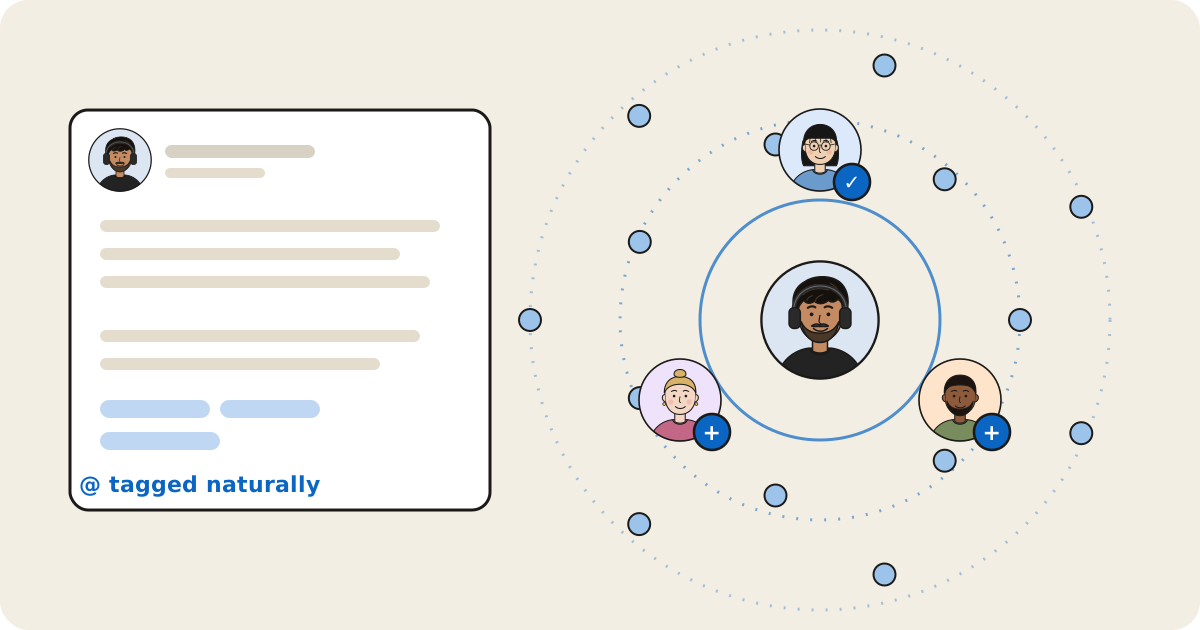
When someone does react or comment, LinkedIn can show that activity to their connections too (“Maya Chen commented on this”). One relevant person engaging early can put your post in front of an audience you'd never reach on your own.
Why “just post more” doesn't fix it
Posting more often doesn't change who sees each post first. And leaning on AI to keep up the volume now works against you. The levers that still matter are simple:
- Write from real experience. A specific story or result beats a generic list of lessons.
- Get it in front of the right people early. People who care about the topic, have an audience of their own, and actually engage.
- Tag a few people, not a crowd. Three to five people who'll genuinely respond beat thirty who won't.
- Skip the bait. No pods, no “agree?” hooks, no tag dumps.
Who should you tag?
Good tags meet three tests: they work in or post about your topic, they have their own audience, and they already engage with you. Tagging someone because they're famous, or tagging a long list hoping someone bites, mostly gets ignored.
Finding those people by hand means scrolling your connections and guessing. That's what People by Sniff's Who to tag page does for you: paste your post and Sniff reads it, searches your network, and suggests the people who are most likely to care, each with a reason. It then adds their @mentions to your post. Sniff never writes your posts. You write the original stuff; Sniff just finds the right people to see it.
Sources
- LinkedIn, Laura Lorenzetti: Keeping conversations real on LinkedIn (May 2026)
- Coverage: LinkedIn changes algorithms to limit AI spam and PR Daily social media updates
- Algorithm Insights Report 2025, as summarised by Mercer Mackay